Methodology
Elucidating the past
Bo.Me.Po is a multidisciplinary project, incorporating the most recent developments in the use of the scientific methods for elucidating a period crucial for the historic trajectory of Athens.
On this multidisciplinary basis, Bo.Me.Po aims at:
- integrating bioarchaeology into Classical archaeology,
- setting an agenda in the study of human societies through the use of advanced macroscopic, microscopic analysis of the skeletal remains,
- implementing Geographic Information System (GIS) for an enhanced contextualisation and analysis of the funerary record,
Scientific Methods
- Archaeology & GIS
- Bioarchaeology
- Archaeometry
- Written Sources
- Cognitive Archaeology
The funerary material to be studied includes different aspects of burial rites with an emphasis on parameters, such as tomb size and typology, grave goods, various funerary features, evidence of post and ante burial rituals, with their actual and potentially symbolic value taken into consideration.
The graves will be recorded in a geospatially enabled relational database, by implementing Geographic Information System (GIS) for an enhanced contextualisation and analysis of the funerary record. The attribute tables will form the basis for geoprocessing and the analyses at macro- and micro-levels. GIS will allow spatial analysis, as well as the visual depiction of the spatial distributions of burial attributes, artefacts and bioarchaeological remains, allowing a sophisticated statistical analysis of their interrelation.
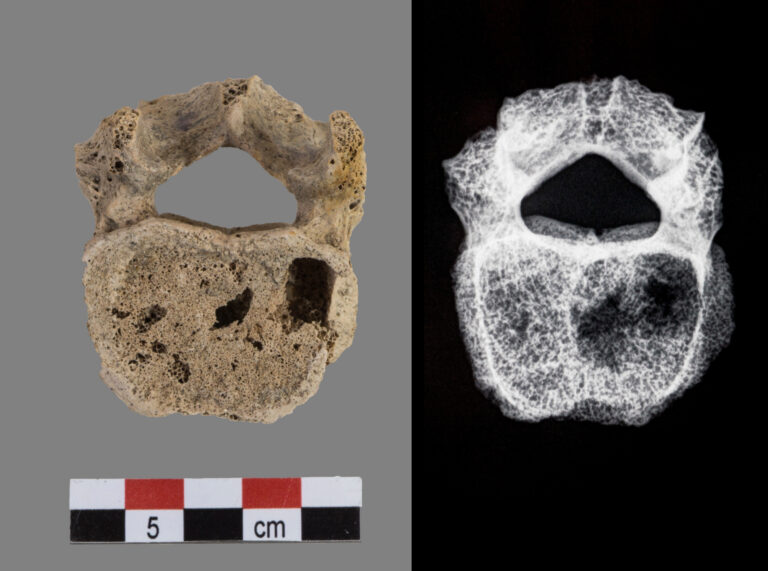
Macroscopic and microscopic analytical methods, as well as isotopic analyses will be employed for the comprehensive study of the project’s human skeletal remains for assessing issues of:
- palaeodemogaphy
- palaeopathology
- palaeodiet
- people’s provenance and mobility
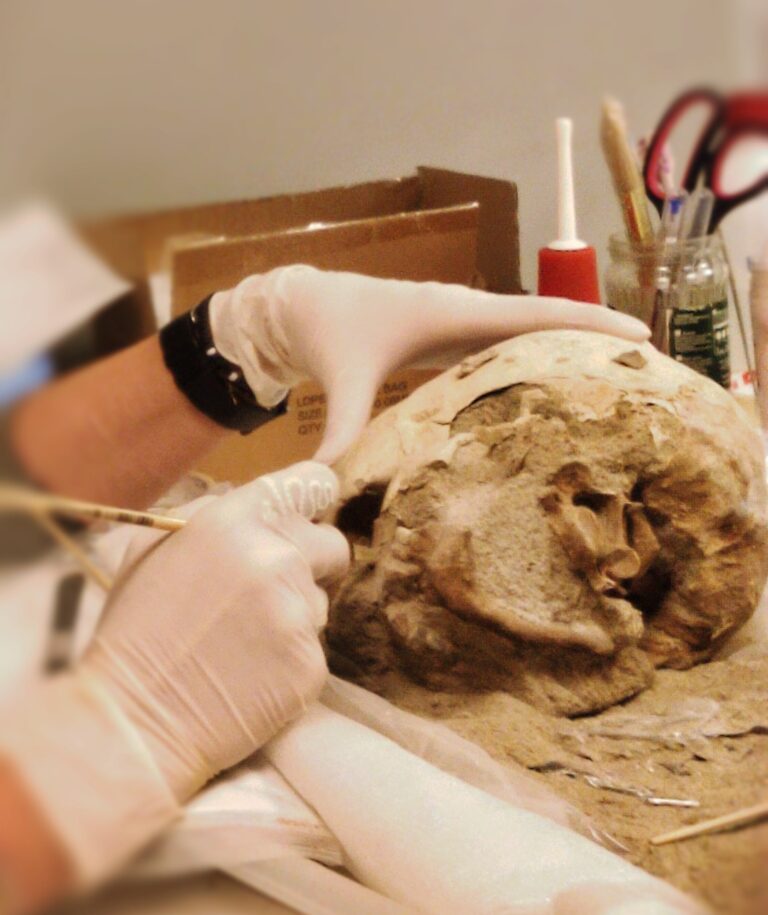
- taphonomy to explore burial practices including post-burial treatment of the dead
An archaeometrical analysis will be applied on the objects accompanying the shackled violently killed of the necropolis.
A macroscopic and microscopic investigation of the shackles and of the rest of the metal objects with the application of invasive and non-invasive analytical techniques will be operated for investigating the objects’
- material,
- condition
- manufacturing technique
.
Study of the ancient historical and legal sources for:
• a better understanding of the funerary data from Phaleron
• the best possible explanation of the traces of violence at the cemetery
• the illumination of the realities of Athenian society in the 7th century BC and more importantly its violent aspects
The cognitive study of the archaeological data from Phaleron draws on recent advancements in cognitive archaeology, specifically in the cognitive archaeology of memory.
Memory is defined as a multi-temporal process continually emerging through actions involving people and things.
Adopting this cognitive approach, the study will:
• approach the human remains from Phaleron as active agents: memories that sparked a long process, started in the 7th century, and influencing the gradual development of sociocultural ideas on identity and citizenship over time
• illuminate the mnemonic processes that underlie the development of Athenian democracy
• contribute to understanding the role of material culture in constituting human memory across time